

Climate Change and Poor Harvests
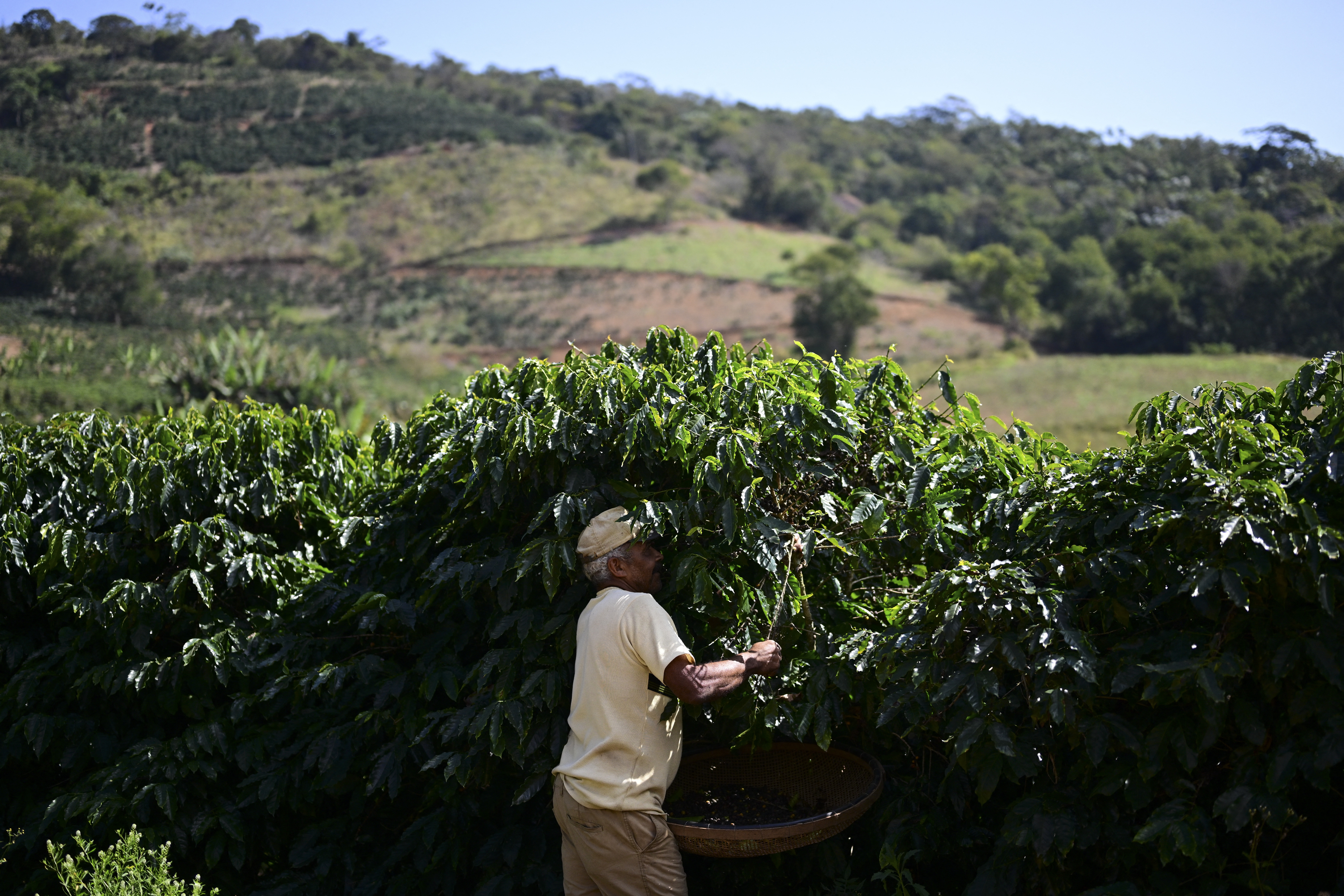
Major coffee-producing countries such as Brazil and Vietnam have faced droughts, extreme heat, and irregular rainfall in recent years. These weather disruptions have damaged crops and reduced production levels.
Scientists also found that climate-related droughts and heatwaves significantly increased global coffee prices in 2024 after damaging harvests in several regions.
When harvests decline, supply drops—and prices rise.
Growing Global Demand
Global consumption reached about 180 million bags of coffee in the 2025–2026 cycle, reflecting record demand worldwide.
Younger consumers, specialty coffee trends, and the growth of café culture have all contributed to this increase in demand. When demand grows faster than supply, prices inevitably climb.
A Global Price Surge
For millions of people around the world, coffee is more than just a drink—it’s a daily ritual. But recently, consumers have noticed that their morning cup is becoming more expensive. From supermarkets to coffee shops, prices have been steadily increasing over the past few years.
According to global market reports, coffee prices surged dramatically in recent years. In 2024 alone, world coffee prices rose by nearly 39%, reaching multi-year highs due to disruptions in supply and unfavorable weather conditions.
This surge is being felt throughout the supply chain—from farmers and exporters to cafés and everyday consumers.
Supply Chain Disruptions
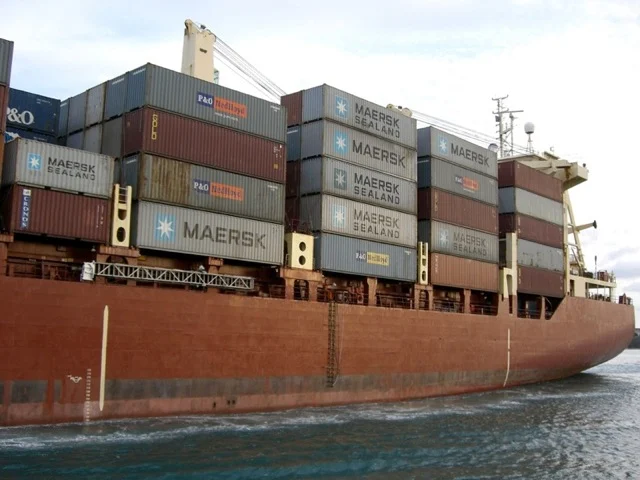
For example, disruptions in major shipping routes and rising freight costs have made it more expensive to transport coffee beans around the world.
These additional costs are often passed down the supply chain until they reach retailers and consumers.